
Recently I went back and reviewed a job one of our techs had closed. The bill was $610. After talking with the client, I learned she was planning to sell her home.
I let her know that for an additional $24, she could have two new torsion springs valued at $198, and I assured her she would have no other problems with her door for many years before she sold.
She had no problem paying the extra $24. In reality, I saved her $255 in labor fees and the cost of the torsion springs.
Here’s what the tech missed. He didn’t ask the client the right questions, and he didn’t let her know what would happen with the door in the future.
I run Garage Doors Plus in Blaine, Minnesota. We’ve been doing this for 13 years, and I want to walk you through what empowering technicians actually looks like day to day for us.
Empowerment Starts With Options, Handed To The Client
We train our techs to offer multiple options on every job, usually three or four, with pricing for each. Then it’s up to the client. I’ll tell a client, “If this was my parents’ house, this is what I’d do.” That’s my honest recommendation, and it’s still their call.
The client should feel more at ease knowing the ball is in their court. Then the decision falls on them. If the tech understands and relays the consequences to the client, it makes it easy for the client to choose the fix.
I left a national company because I didn’t like how they treated clients, and that’s a big part of why GDP exists.
You Can’t Shortcut The Training
Our on-the-job training program usually runs 10 to 14 weeks. We arrived at that time frame through experience, and from what our techs were trained with at other companies before they got here. During that time, we help the tech go through each option for any given job until they can do it on their own.
A Safety Net In The Field
We have our techs call in to our office and speak to one of our lead techs if they’re having trouble with a particular job like a garage door opener repair.
Depending on each client’s situation, the job may call for a new install, or the client may only need the bare essentials to get by. Either way, the end result is the client knows the consequences of doing the bare minimum.
Accountability Without Crushing People
I’ve reviewed a few other service calls our techs sold recently.
Depending on the job, I either refunded some money to the client or put in more parts with a different maintenance program, so they got more bang for their buck.
On the $610 job, I informed the tech, and he understood why we ask these questions.
When we bring on new techs, we understand that going back behind their work could come across as derogatory. We make our technicians know we are human and we will make mistakes. Continual learning, and understanding who we are and what GDP is all about, helps them understand they are part of a team.
The Structure Behind The Trust
All of this takes structure, and we learned that through trial and error in the early years. Once we started to grow and realized what we were building, it became instilled in me that we needed structure and tracking.
Today that structure comes down to three things:
- Weekly check-ins. Our HR team and lead technicians meet with trainees once or twice a week to go over progress, things they need help with, and things we can celebrate them for.
- Work audits. I go back and look at service calls our techs sold.
- The call-in line. If a tech has trouble with a job, they can call the office and speak to one of our lead techs.
Honestly, it’s very difficult to tell early on who really wants to be at GDP, and the weekly check-ins are where that shows.
What It Looks Like When A Tech Gets It
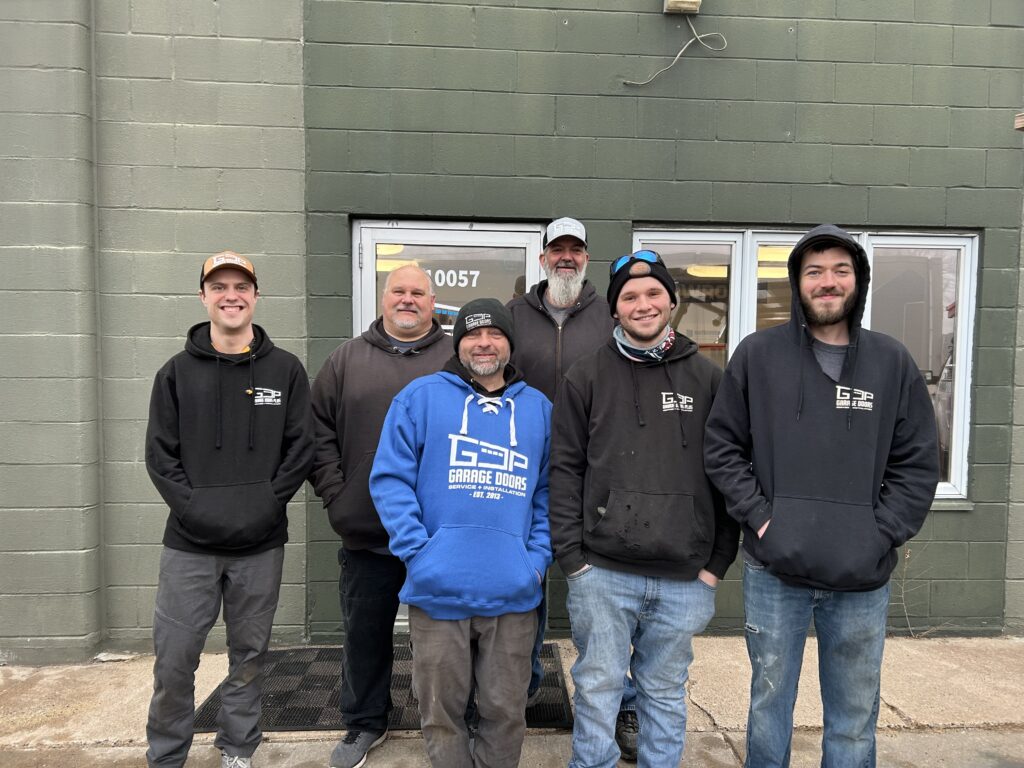
When I picture the GDP tech I’m most proud of, the first thing is they’re dressed for success. We issue uniforms with their name and our company name on them. He or she shows up, goes through the system with a fine-tooth comb with the client, and leaves them with an understanding of their options, even if it’s in layman’s terms, so they can make that decision. All of our techs who want to work at GDP get it. Our tagline is “Our Word is Our Bond.”
If you’re a technician thinking about working at GDP, I want you to know that when you go home having given it 100% for the day, you can hold your head up high, knowing you served our clients and community based on trust, honesty, and professionalism.
The Lessons, In Plain Terms
If you run a service business, these are the six things we’ve learned at GDP about handing real authority to your field team:
- Train the conversation along with the craft. Teach techs to ask about the client’s situation and to explain what to expect from the door down the road.
- Give the training the time it needs. Our 10 to 14 weeks came from experience.
- Build a safety net. Make sure techs have a lead tech to call when a job isn’t clear.
- Audit your own work. Go back and look at jobs after they close, and make it right with the client when something was missed.
- Treat mistakes as teaching. Explain what got missed so the tech understands why the questions matter.
- Check in weekly and celebrate wins. Recognize what your people did well, not only what they need help with.
As long as the options are given and our techs have built trust with the client, we’re satisfied with the outcome of the job. It’s all about the service, not the actual sale at the end of the day.