I spent about a year working for a national garage door company before I started my own. I left because I didn’t like how they did business. So when I tell you how these operations work from the inside, it comes from watching it happen.
Here’s the situation you’re probably in. Your door won’t open. Your car is stuck in the garage. You Googled “garage door repair near me,” and now you’re staring at three companies that all look the same.
They’re not the same.
Home improvement scams are more common than most people realize, and garage doors are part of that. Homeowners get charged thousands for minor repairs, in some cases by technicians who show up in unmarked vehicles with no way to identify who they even are. The companies running these plays are counting on you to be panicked, rushed, and uninformed. So the best thing you can do is know what to ask before anyone shows up.
The good news is you can screen these companies out before anyone gets in their truck. You just need to know what to ask, and when. This is that guide.
Step One: The Phone Call Tells You Almost Everything
So treat this call like a job interview. Because that’s really what it is.
Ask where they’re located
Ask for the physical address. Then look it up while you’re on the phone.
A local company has a shop, a showroom, a place you can drive to if something goes wrong. A call-center operation has a phone number that routes to another state and a technician dispatched from who knows where. Scam operations typically have no legitimate showroom. They lead with unrealistically low service fees, then demand more money once they’re on site.
If they can’t give you a street address, that tells you what you need to know.
Ask how long they’ve been in business under that name
Companies that burn through their reputation change names. A company that’s operated under one name in one metro area for a decade has something to lose. That accountability changes behavior.
Ask what the service call costs, in dollars
You want a real number for the trip and diagnosis, plus a real explanation of how repairs get priced from there. “It depends, our tech will explain” is an answer designed to keep you uninformed until you’re emotionally committed.
An honest company will tell you what it costs to show up, what common repairs run, and what happens if the problem is bigger than expected. Before anyone gets in a truck.
Ask how they’ll show up
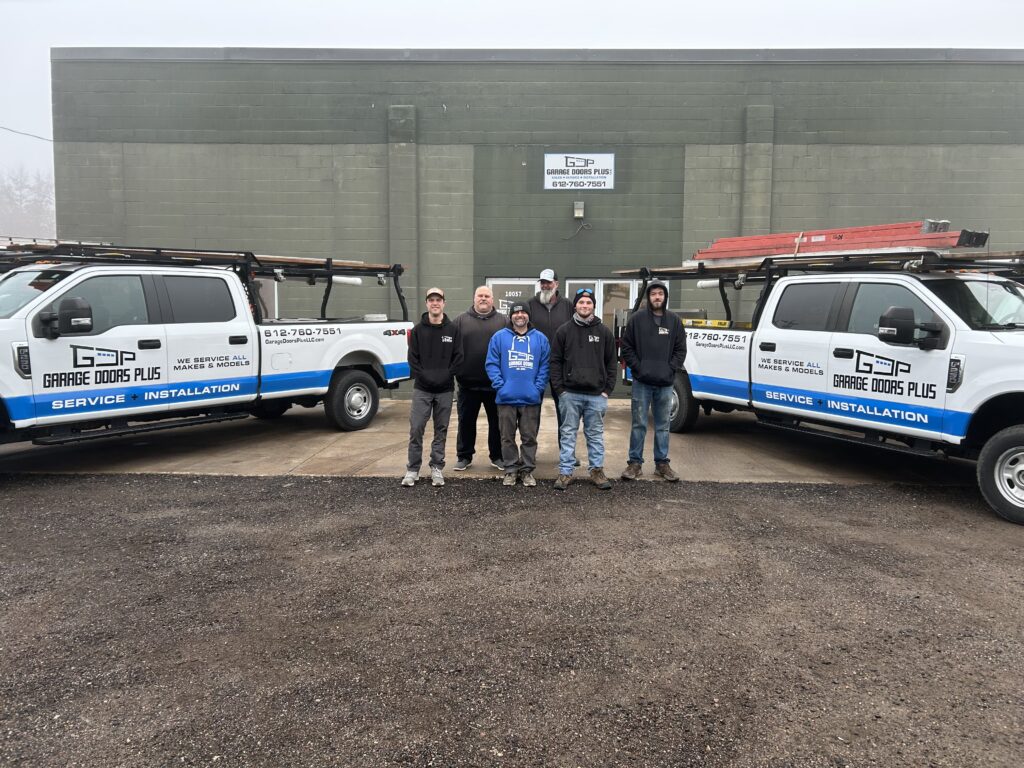
Legitimate technicians wear uniforms, carry identification, and drive marked company vehicles. Unmarked vans came up repeatedly in the consumer protection complaints. It’s a small detail that filters out a lot of trouble.
Step Two: What to Watch When the Technician Arrives
The technician is in your garage now. So this is where you start to see the difference between the honest companies and the ones just running a play.
Green lights
- They ask about you before they quote you. Is this your forever home? Are you selling in a year? Renting it out? Those answers change what makes sense to spend. A tech who asks them is building a recommendation around your life. A tech who skips them is building a quote around their commission.
- They show you the problem. Physically. They point at the broken spring, the frayed cable, the worn roller, and explain what it does. You should be able to see what you’re paying for.
- They present three or four options. Repair the immediate problem. Repair plus preventive work. Replace with a mid-grade door. Replace with a better one. Each with a price. Then they step back and let you decide.
- They teach you something. Our techs show homeowners how to maintain their own doors so they don’t need to call us back. A company confident in its work wants you to need less of it.
Red flags
- Fear does the selling. “This door could kill someone.” “Your car isn’t safe under this.” Fear pushes you into panic decisions instead of informed ones. Scammers deliberately exploit your unfamiliarity with door parts and pricing to push you into a fast decision. Yes, garage doors have real safety issues. An honest tech explains them calmly and shows you the evidence.
- Everything needs replacing at once. Springs, rollers, cables, opener, all today. That’s the rebuild package. Real doors rarely fail everywhere simultaneously.
- The quote only works right now. Any pressure to sign before they leave is a pressure tactic, and a fair quote is still fair tomorrow. That urgency is manufactured.
- They won’t itemize. One big number with no breakdown of parts and labor hides the markup.
The Standard You Should Hold Every Company To
When I recommend options to a client, I tell them what I’d do if this was my parents’ house. That’s kind of how I approach every call. Any technician standing in your garage should be able to do the same.
Hold every company to this list:
- A real local address you can visit
- A clear service call price quoted on the phone
- Marked vehicles, uniforms, identification
- Questions about your situation before recommendations about your door
- Multiple options with itemized pricing
- A written quote that’s still valid tomorrow
- Zero fear-based pressure
A company that meets that standard has nothing to hide, and you’ll know it within the first ten minutes of the phone call. A company that dodges any piece of it, well, they’ve answered your interview question for you.
We’ve been doing this in the Twin Cities for thirteen years, and the calls we get from people who’ve already been burned are the hardest ones to take. Not because the repair is complicated, but because it didn’t have to happen. Ask the questions. A company with nothing to hide will answer every one of them. That’s kind of the whole point of our word being our bond.